One Chance to Get It Right? Why USCIS’s New RFE Policy Raises the Risk of DIY Immigration Filings
For years, some immigration applicants have viewed a Request for Evidence (RFE) as an opportunity to fix a filing after it reaches U.S. Citizenship and Immigration Services (USCIS).
A document is missing. The evidence is not strong enough. USCIS has questions. An RFE arrives, and the applicant gets another opportunity to respond.
That was never a safe filing strategy. Now, relying on an RFE as a second chance may be even riskier.
On August 5, 2026, USCIS updated its Policy Manual regarding evidentiary standards and the issuance of RFEs and Notices of Intent to Deny (NOIDs). The change gives immigration officers greater discretion to deny certain benefit requests without first giving applicants or petitioners another opportunity to provide missing or insufficient evidence.
For people considering a do-it-yourself immigration filing, the message is important: the application you submit may need to stand on its own from day one.
An RFE Is Not Guaranteed
USCIS has not eliminated RFEs or NOIDs. Officers can still issue them when appropriate, and certain procedures may require additional notice.
What has changed is the degree to which applicants can expect USCIS to ask for more evidence when the original filing does not establish eligibility.
Under the updated guidance, an officer may deny a benefit request when required initial evidence is missing or when the evidence already submitted fails to establish eligibility.
That distinction matters.
An applicant should not file an incomplete case with the expectation that USCIS will identify what is missing and provide instructions for fixing it later.
Completing the Forms Is Only Part of an Immigration Filing
DIY applicants often focus heavily on whether every box has been checked and every form has been signed.
But an immigration filing is also an evidence package.
Depending on the benefit requested, applicants or petitioners may need to establish qualifying relationships, financial eligibility, lawful admission, employment qualifications, continuous residence, good moral character, admissibility, or other legal requirements.
The burden of establishing eligibility generally belongs to the person requesting the immigration benefit. USCIS evaluates the evidence submitted to determine whether that burden has been met.
A correctly completed form therefore does not necessarily mean a complete case.
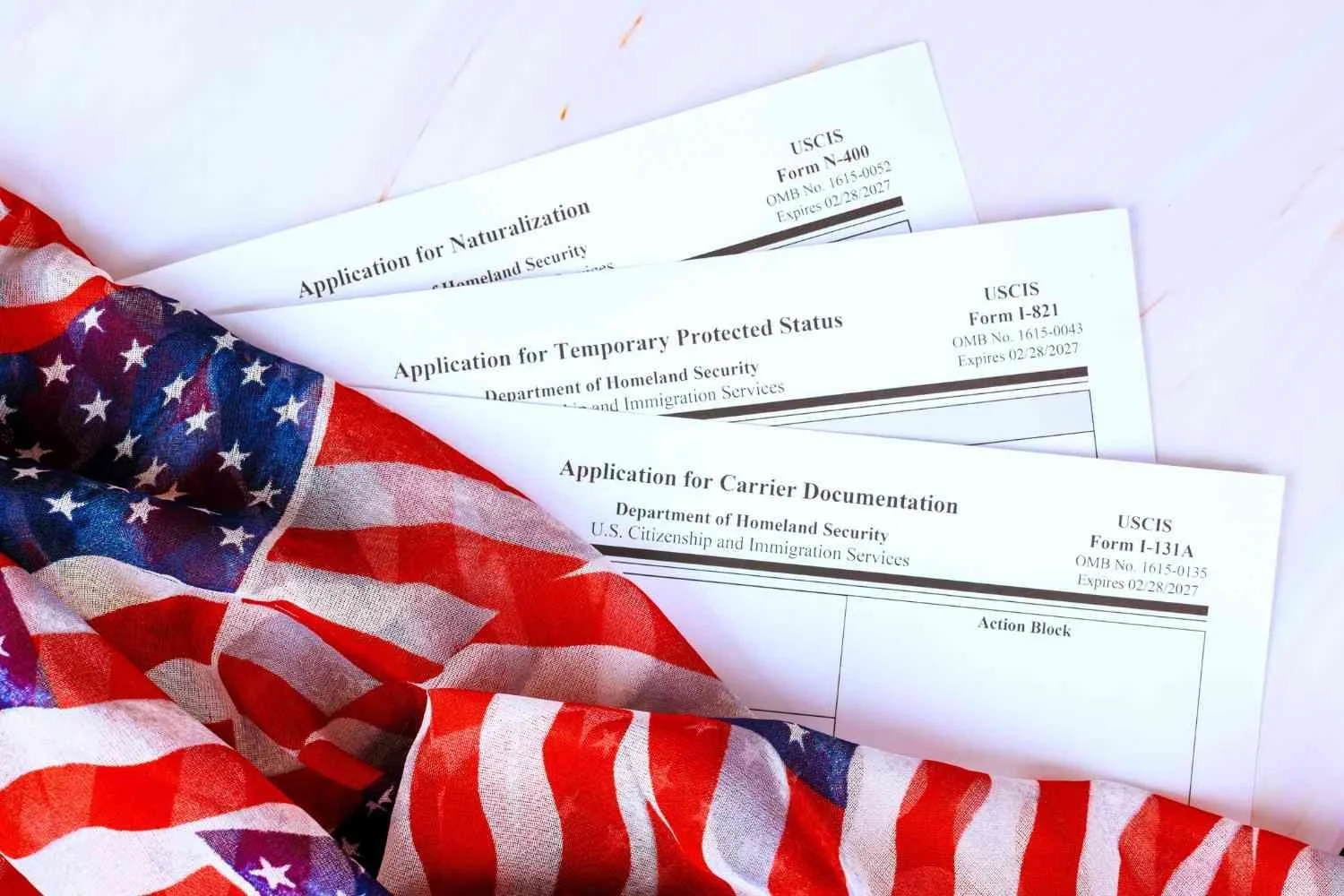
What Seems “Good Enough” May Not Establish Eligibility
One of the difficulties with preparing an immigration case without legal guidance is knowing what the evidence actually needs to prove.
You may have submitted a document related to an eligibility requirement, but does it establish the necessary fact? Are additional records required? Does something in the application conflict with an earlier immigration filing? Is there a criminal, financial, employment, or immigration-history issue that requires additional documentation or legal explanation?
These questions can be difficult to recognize when you do not know what USCIS will be evaluating.
Previously, an RFE might have alerted an applicant to an evidentiary deficiency. Under the new policy, applicants have another reason not to assume that opportunity will come.
A Denial Can Cost More Than Attorney Fees
The consequences of an unsuccessful DIY filing are not limited to losing a filing fee.
Depending on the immigration benefit and the applicant's circumstances, a denial can mean lost time, disruption to immigration plans, the need to refile, or the need to pursue a motion or appeal when one is available.
Some problems may also become substantially more complicated once information has already been submitted to USCIS.
Hiring an immigration attorney at the beginning allows the case to be evaluated before USCIS sees it. An attorney can identify eligibility concerns, review prior immigration history, determine what supporting evidence is necessary, and help ensure that the filing presents a complete and consistent case.
Prepare for the Decision, Not the RFE
The August 2026 USCIS policy change reinforces a principle that should guide every immigration filing: the goal should be to submit a case that is ready for adjudication, not one that depends on USCIS providing another opportunity to complete it.
At Sharma Law Associates, our New York immigration attorneys help individuals, families, and employers evaluate immigration eligibility, identify potential problems, and prepare well-supported filings designed to establish the required elements from the beginning.
Before clicking “submit” or mailing an immigration application you prepared yourself, consider having the entire case reviewed through the eyes of USCIS. Call Sharma Law Associates at 646-921-6630, contact us online, or schedule a consultation to make sure your first filing is your strongest one.