How Immigration Attorneys Respond to USCIS Concerns About DUI History
A DUI arrest or conviction can complicate an immigration case in ways many applicants do not anticipate. While a single DUI does not automatically prevent someone from obtaining a visa, green card, or U.S. citizenship, it often triggers closer scrutiny from immigration authorities. U.S. Citizenship and Immigration Services (USCIS) and consular officers frequently evaluate DUI history as part of a broader assessment of admissibility, credibility, and good moral character.

For immigration attorneys, responding effectively to DUI-related concerns requires more than simply disclosing the incident. It involves analyzing the legal implications of the offense, anticipating how immigration officers may interpret the record, and presenting evidence that addresses potential concerns before they escalate into Requests for Evidence (RFEs), Notices of Intent to Deny (NOIDs), or interview complications.
Why DUI History Raises Immigration Concerns
Immigration law treats criminal issues differently from state criminal courts. Even if a DUI resulted in minimal penalties or was resolved years ago, immigration authorities may still review the incident closely.
USCIS may examine factors such as:
The number of DUI incidents on record.
Whether the offense involved drugs rather than alcohol.
Evidence of reckless driving or injuries connected to the incident.
Whether alcohol abuse raises potential health-related inadmissibility concerns.
How the applicant disclosed the incident in prior immigration filings.
In some cases, DUI-related concerns arise not from the offense itself but from how the incident appears within the broader immigration record. For example, inconsistencies between criminal records and immigration applications may raise credibility questions that immigration officers take seriously.
How Attorneys Analyze the Legal Impact of a DUI
The first step in addressing a DUI issue is determining how the incident fits within immigration law. Not all DUI cases carry the same consequences.
Immigration attorneys typically evaluate:
Whether the DUI involved controlled substances.
Whether multiple offenses suggest a pattern of conduct.
Whether the case resulted in probation, jail time, or other penalties.
Whether the record indicates potential alcohol dependency concerns.
Whether the offense may affect the “good moral character” requirement for naturalization.
In many situations, a single DUI does not create inadmissibility. However, multiple incidents, aggravating factors, or drug-related charges can raise more serious immigration issues.
Addressing USCIS Concerns Through Documentation
Once the legal impact of the DUI is understood, immigration attorneys focus on documentation. Immigration officers rely heavily on official records when reviewing criminal history.
Typical documentation may include:
Certified court dispositions for all charges.
Police reports describing the incident.
Evidence that all fines, probation terms, or court requirements were satisfied.
Completion certificates for alcohol education or rehabilitation programs.
Character references demonstrating rehabilitation and responsibility.
Providing clear documentation helps ensure that immigration officers evaluate the DUI based on accurate information rather than assumptions or incomplete records.
Anticipating RFEs and Interview Questions
DUI history often prompts follow-up questions during immigration interviews or RFEs requesting additional documentation.
Attorneys often prepare clients for questions such as:
What were the circumstances surrounding the incident?
What steps have you taken since the offense occurred?
Have there been any other alcohol-related incidents?
How does the incident relate to your current lifestyle?
Preparing thoughtful, consistent responses can help prevent misunderstandings that may arise during the adjudication process.
When DUI Issues Affect Naturalization Applications
DUI history can be particularly relevant in naturalization cases because applicants must demonstrate “good moral character” during the statutory period before applying for citizenship.
While a single DUI does not automatically prevent naturalization, officers may consider factors such as:
Multiple alcohol-related incidents.
Failure to complete court-ordered programs.
Recent offenses occurring close to the naturalization filing date.
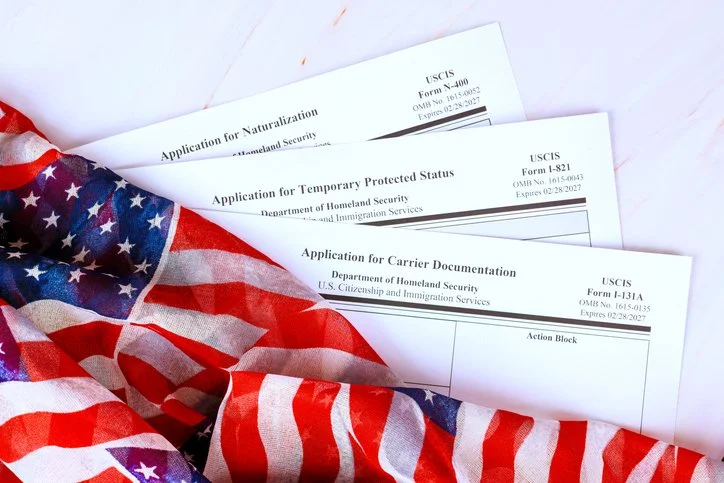
In some situations, delaying a naturalization application until additional time has passed may strengthen the overall case.
Strategic Case Presentation Matters
Immigration cases involving DUI history require careful legal framing. Ignoring or minimizing the issue can lead to delays or credibility concerns. Instead, experienced immigration attorneys evaluate the record, address potential red flags proactively, and present evidence demonstrating responsibility and rehabilitation.
In today’s environment of heightened immigration scrutiny, thoughtful case preparation can make a meaningful difference in how USCIS interprets an applicant’s history.
Talk with Sharma Law Associates About Immigration Issues Involving a DUI History
If you are concerned that a past DUI arrest or conviction could affect your immigration case, experienced legal guidance can help you understand the risks and develop a strategy for moving forward.
Call 646-640-8508, contact our New York immigration attorneys at Sharma Law Associates online, or schedule a consultation to discuss your immigration situation and learn how careful legal preparation can help address USCIS concerns about criminal history.