Responding to an RFE: How to Present Evidence That Actually Satisfies USCIS
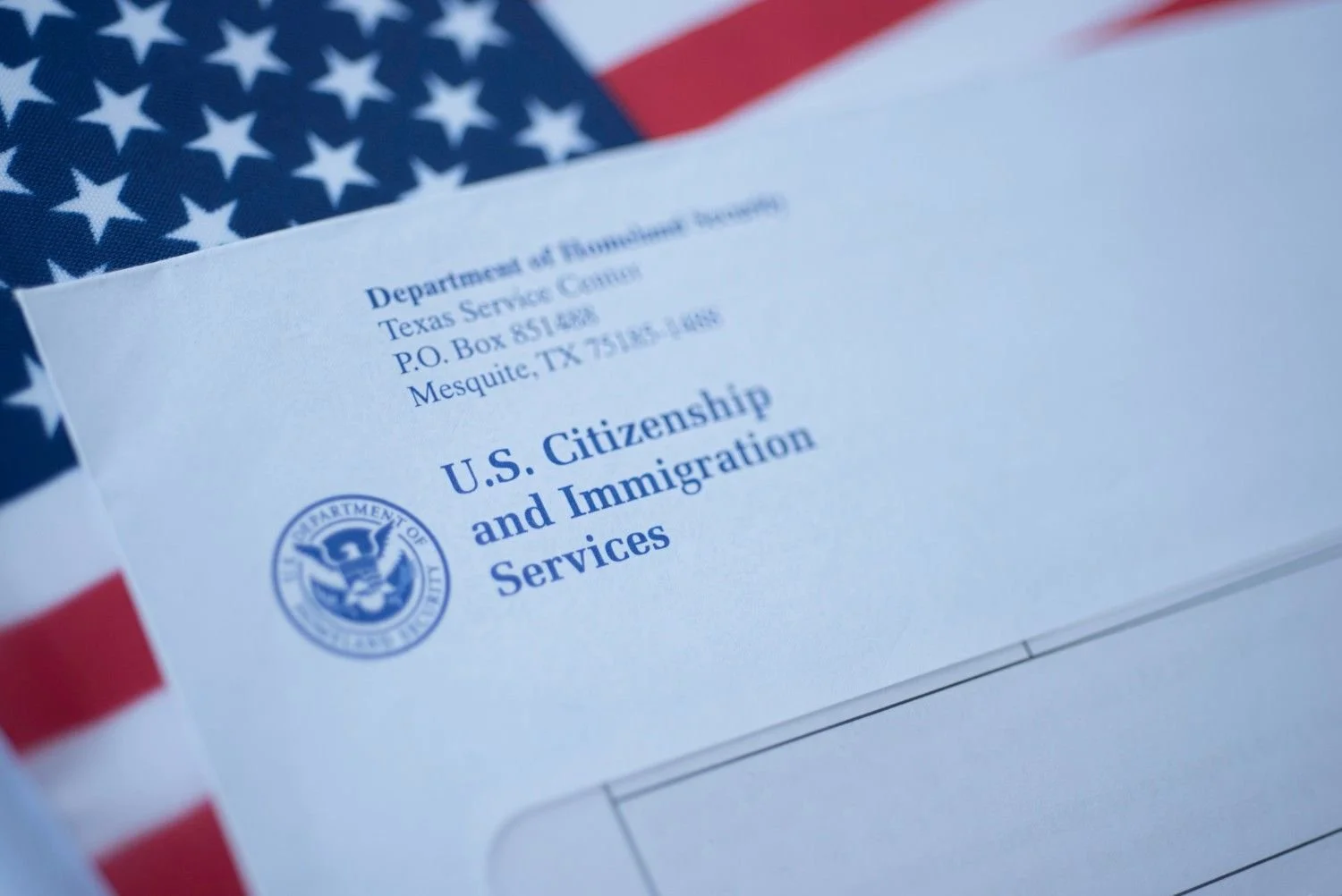
Receiving a Request for Evidence (RFE) from U.S. Citizenship and Immigration Services (USCIS) can be unsettling. Many applicants immediately assume something is wrong with their case or that a denial is inevitable.
Fortunately, that is not necessarily true.
An RFE means USCIS needs additional information before it can make a decision. In many cases, applicants who respond thoroughly and on time can move their applications forward. The key is to understand exactly what USCIS is requesting and to provide evidence that directly addresses those concerns.
Read the RFE Carefully
One of the biggest mistakes applicants make is responding to what they think USCIS wants rather than what the agency actually requests.
An RFE typically identifies:
The specific eligibility issue.
The documents or information being requested.
The deadline for responding.
Any applicable legal or procedural requirements.
Before gathering evidence, it is important to understand every question raised in the notice. Missing even one requested item can create unnecessary delays or additional complications.
Provide Evidence That Directly Addresses the Issue
Submitting hundreds of pages of unrelated documents rarely strengthens an immigration case.
Instead, every document included in an RFE response should help answer a specific question raised by USCIS.
Depending on the type of application, supporting evidence may include:
Financial records.
Employment documentation.
Tax returns.
Birth or marriage certificates.
Medical records.
Court documents.
Affidavits or sworn statements.
Additional identity documents.
A focused, organized response is generally more effective than overwhelming USCIS with unnecessary paperwork.
Organization Matters
Immigration officers often review substantial amounts of documentation each day.
Making the response easy to follow can help ensure important evidence is not overlooked.
Many successful RFE responses include:
A cover letter explaining the response.
A table of contents.
Clearly labeled exhibits.
Copies of the RFE notice.
Supporting documents arranged in the same order as the issues identified by USCIS.
Presenting information logically allows the reviewing officer to quickly connect each piece of evidence to the concern being addressed.
Consistency Is Just as Important as Documentation
USCIS does not evaluate new evidence in isolation.
Immigration officers frequently compare the response with prior applications, supporting documents, interviews, and government records. Differences involving dates, employment history, family relationships, travel, or other important facts may create additional questions.
Before submitting an RFE response, applicants should carefully review previous filings to ensure the new information is accurate and consistent.
Deadlines Should Never Be Ignored
Every RFE includes a deadline for responding.
Missing that deadline or submitting an incomplete response may result in USCIS deciding the case based solely on the information already in the file. In some situations, that may result in denial.
Responding early also provides an opportunity to correct any issues if additional documentation becomes necessary before the deadline expires.
Every RFE Requires Its Own Strategy
No two Requests for Evidence are exactly alike.
An RFE involving financial sponsorship requires a different approach than one requesting proof of a bona fide marriage, employment verification, lawful entry, or additional documentation supporting eligibility for naturalization.
Rather than relying on a standard checklist, applicants should develop a response strategy tailored to the specific issues USCIS has identified. A carefully prepared response can often answer questions before they become larger obstacles to approval.
Turn an RFE Into an Opportunity to Strengthen Your Case
A well-prepared response can make a meaningful difference when USCIS requests additional evidence. At Sharma Law Associates, our New York immigration attorneys help clients evaluate RFEs, organize supporting documentation, and prepare thorough responses tailored to the issues identified by USCIS.
Call 646-760-6339, contact us online, or schedule a consultation to discuss your immigration matter and learn how we can help you prepare a complete and timely response to your Request for Evidence.