NOID Deadlines: Why Waiting Even a Few Days Can Put Your Case at Risk
Receiving a Notice of Intent to Deny (NOID) can be one of the most stressful moments in the immigration process. It signals that U.S. Citizenship and Immigration Services (USCIS) has identified serious concerns and is prepared to deny the case unless those issues are addressed effectively.
While much attention is often placed on the substance of the response, timing plays an equally critical role. The NOID deadline is not simply a procedural detail. It shapes how a case is evaluated, how evidence is gathered, and whether a response has the opportunity to succeed.
The 30-Day Deadline Is Shorter Than It Seems
Most NOIDs provide a 30-day window to respond. On its face, that may seem like a reasonable amount of time. In practice, however, that window moves quickly.
The response period typically includes:
· Time required to receive and review the notice.
· Time needed to analyze the legal issues raised by USCIS.
· Time to gather supporting documentation.
· Time to prepare a comprehensive legal response.
When these steps are considered together, the effective working time is often much shorter than expected. Even a few days’ delay at the beginning can significantly reduce the ability to build a strong response.
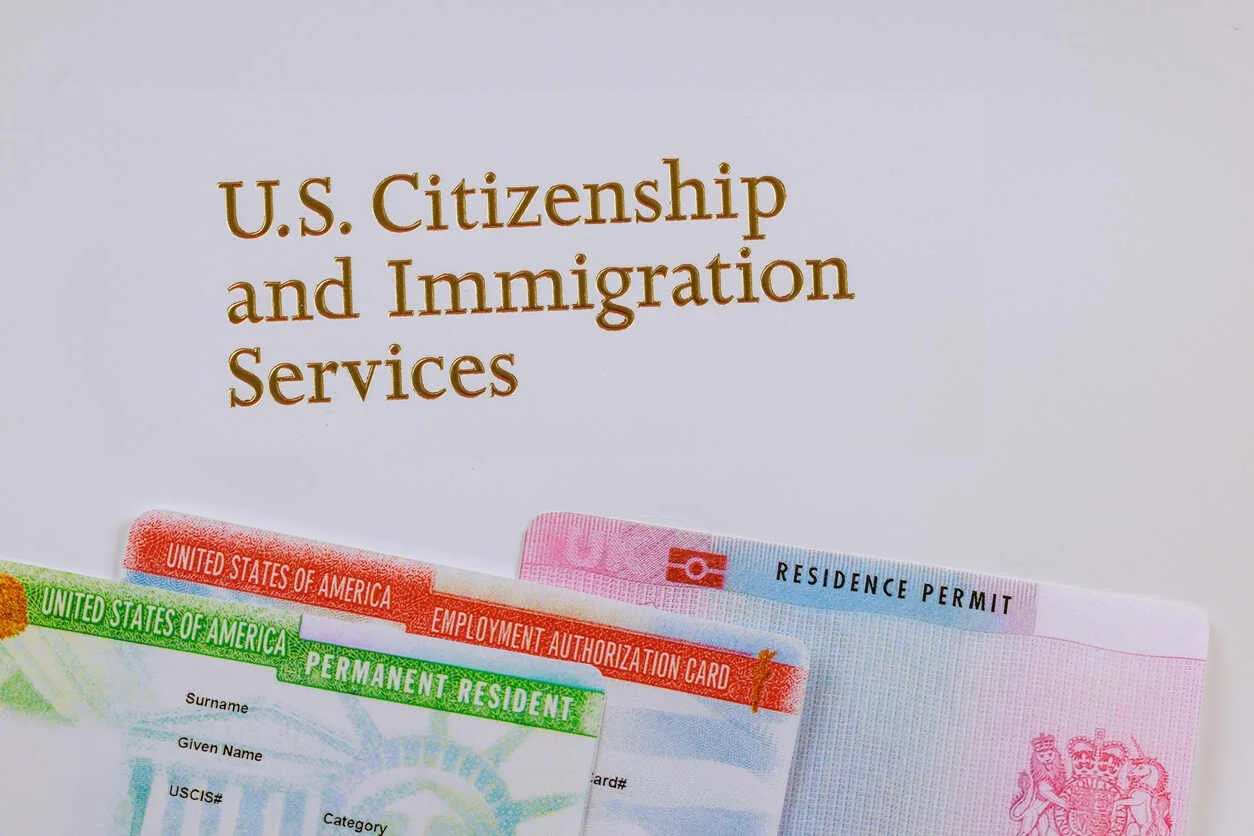
Why Early Action Matters in NOID Cases
A NOID is not merely a request for additional information. It reflects a preliminary conclusion that the case does not meet the required legal standard. This means the response must do more than supplement the record. It must directly address the reasoning behind the intended denial.
Responding effectively often requires:
· Identifying the legal framework USCIS is applying.
· Evaluating whether the officer’s interpretation is accurate.
· Developing a structured legal argument.
· Gathering targeted evidence that addresses specific concerns.
These steps require careful analysis. Starting early allows time to develop a response that is both complete and strategically aligned with the issues raised.
Evidence Collection Takes Time
Many NOID responses depend on obtaining documentation that is not immediately available. This may include employer records, expert letters, financial documents, or clarifying affidavits.
In some cases, supporting evidence must be requested from third parties, such as prior employers, professional colleagues, or institutions. These requests often involve coordination and follow-up, which can take longer than anticipated.
Waiting too long to begin this process may result in incomplete documentation or missed opportunities to strengthen the case.
Rushed Responses Can Create New Problems
When time is limited, applicants may feel pressure to submit a response quickly. However, a rushed submission can introduce new issues rather than resolving the concerns raised by USCIS.
Common risks include:
· Providing incomplete or inconsistent information.
· Failing to address the legal basis for the NOID fully.
· Submitting documents without proper explanation or context.
· Overlooking discrepancies that could affect credibility.
Because a NOID indicates that denial is already under consideration, the response must be thorough and precise. There is often little margin for error.
The First Few Days Shape the Entire Response
The initial period after receiving a NOID is often the most important. Early decisions about how to approach the response can influence the entire strategy.
During this time, it is important to:
· Carefully review the notice to identify all issues raised.
· Determine the legal standards USCIS is applying.
· Identify what additional evidence may be required.
· Establish a clear plan for addressing each concern.
Delays at this stage can compress the timeline later, limiting the ability to respond effectively.
When Waiting Can Affect the Outcome
In some cases, applicants may delay taking action because they are unsure of the notice's seriousness or whether the concerns can be addressed easily. However, postponing the response process can have lasting consequences.
Even a short delay may:
· Reduce the time available to gather strong supporting evidence.
· Limit the ability to consult with experienced legal counsel.
· Increase the likelihood of submitting an incomplete response.
Because USCIS evaluates the case based on the final response submitted, timing can directly affect how the evidence is interpreted.
A NOID Is an Opportunity—But Only If Used Effectively
Although a NOID reflects significant concerns, it also provides an opportunity to address those concerns before a final decision is made. The strength of the response can influence whether the case proceeds toward approval or denial.
Using that opportunity effectively requires both strategic planning and sufficient time to prepare a comprehensive submission.
Strategic Preparation Requires Time and Focus
A well-prepared NOID response typically involves more than compiling documents. It requires aligning legal arguments with evidence, organizing information clearly, and presenting the case in a way that directly addresses USCIS concerns.
This process benefits from early and focused preparation. Starting promptly allows for a more thoughtful and complete response, which can be critical when approval is still possible.
Speak With Sharma Law Associates About Responding to a NOID
If you have received a Notice of Intent to Deny, it is important to act promptly and understand how the deadline may affect your case. Careful preparation and strategic response planning can significantly influence the outcome.
Call 646-921-6630, contact our New Yorkimmigration attorneys at Sharma Law Associates online, or schedule a consultation to discuss your situation and develop a response strategy that addresses USCIS concerns within the required timeframe.