Your N-400 Was Denied — Now What? A Step-by-Step Guide to the N-336
Receiving a denial of your N-400 naturalization application can feel discouraging, particularly after spending years maintaining lawful permanent resident status and preparing for the citizenship process. However, an N-400 denial does not always mean the process is over.
In some situations, applicants may challenge the decision by filing Form N-336, Request for a Hearing on a Decision in Naturalization Proceedings. This process allows another immigration officer to review the case and reconsider the denial.
Understanding how the N-336 process works can help applicants evaluate whether pursuing an appeal is appropriate.
Why USCIS Denies N-400 Applications
Naturalization denials occur for many different reasons. Some involve eligibility requirements, while others stem from documentation issues, interview concerns, or questions about the applicant’s background.
Common reasons for denial may include:
Alleged failure to meet continuous residence requirements.
Extended trips outside the United States.
Questions regarding good moral character.
Criminal history concerns.
Tax or financial issues.
Failure to pass the English or civics examination.
Inconsistencies during the interview process.
In some cases, the denial may result from how evidence was interpreted rather than a clear finding that the applicant is permanently ineligible.
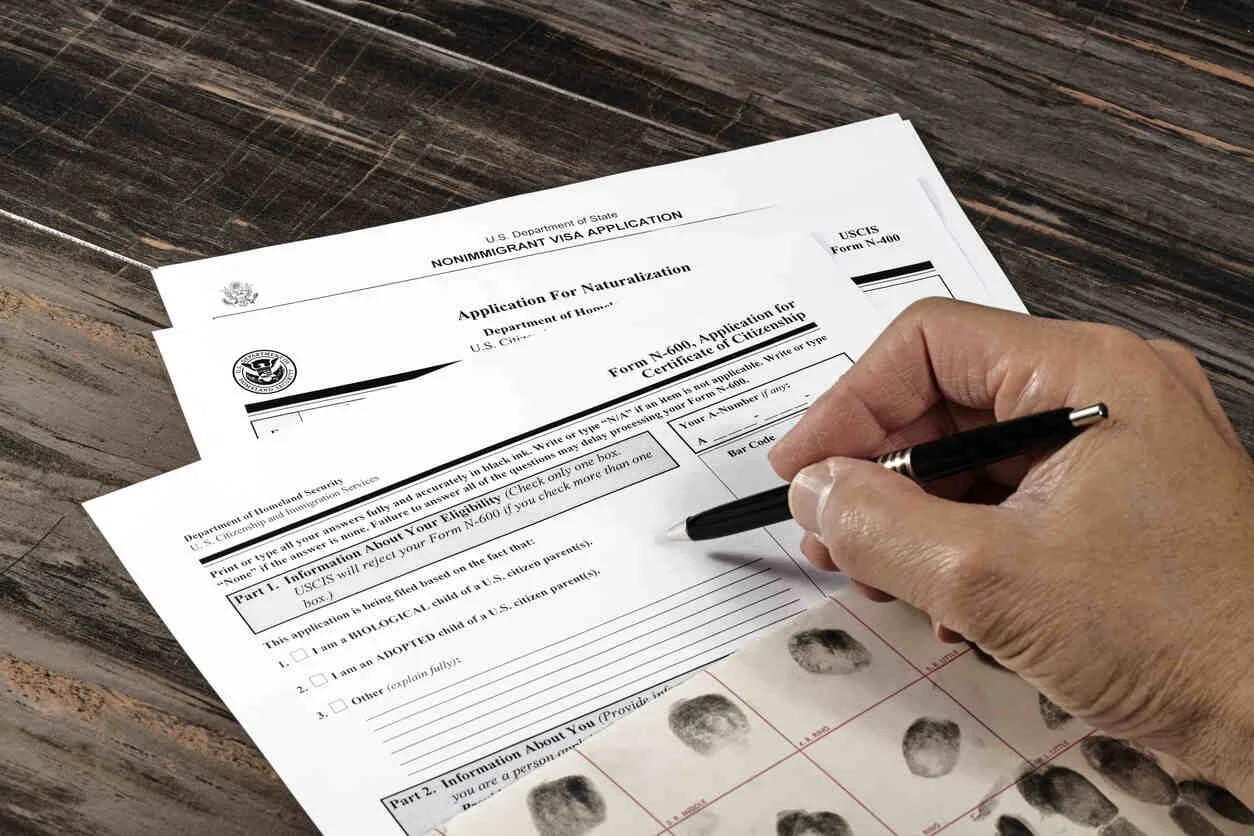
What Is Form N-336?
Form N-336 allows applicants to request a hearing after an N-400 denial. During this process, U.S. Citizenship and Immigration Services (USCIS) conducts a new review of the case before a different officer.
The hearing may involve:
Review of the original application.
Examination of supporting evidence.
Discussion of the reasons for denial.
Submission of additional documentation.
Legal arguments addressing USCIS findings.
The process provides an opportunity to clarify issues or correct problems that may have affected the original decision.
Timing Matters After a Denial
Applicants generally must file Form N-336 within 30 days of receiving the denial decision. Missing the deadline may limit available options.
Because the filing window is relatively short, it is often important to:
Review the denial notice carefully.
Identify the legal basis for the denial.
Evaluate whether additional evidence is needed.
Determine whether the denial involved factual or legal errors.
The first few weeks after denial can significantly affect how the case moves forward.
The Hearing Is More Than a Simple Review
Some applicants assume the N-336 process is merely procedural. In reality, the hearing may become an important opportunity to address concerns directly with USCIS.
Depending on the issues involved, preparation may include:
Updating supporting records.
Clarifying travel history.
Addressing criminal or tax-related concerns.
Providing evidence of continued eligibility.
Explaining inconsistencies in the original application.
A well-prepared hearing may help ensure the case is evaluated based on complete and accurate information.
Additional Evidence May Strengthen the Case
Unlike the initial interview, the N-336 process may allow applicants to supplement the record with new documentation or updated evidence.
This can be important when:
Circumstances changed after the original filing.
Important records were unavailable previously.
USCIS misunderstood aspects of the case.
Additional clarification is necessary.
In some situations, the additional evidence becomes central to overcoming the original denial.
Some Cases Require Strategic Legal Analysis
Not every N-400 denial should automatically lead to an N-336 filing. In certain situations, refiling the naturalization application may be more effective than pursuing an appeal.
The best approach often depends on:
The reason for denial.
Whether the issue can be corrected.
Immigration history.
Criminal or admissibility concerns.
Strength of the available evidence.
Careful evaluation may help applicants avoid unnecessary delays or additional complications.
Speak With Sharma Law Associates About N-400 Denials and N-336 Hearings
If your naturalization application was denied, understanding your options quickly may help protect your path toward U.S. citizenship.
At Sharma Law Associates, our immigration attorneys assist clients with N-400 denials, N-336 hearings, naturalization issues, and complex immigration matters.
Call 646-760-6339, contact our New York immigration attorneys at Sharma Law Associates online, or schedule a consultation to discuss your situation.